
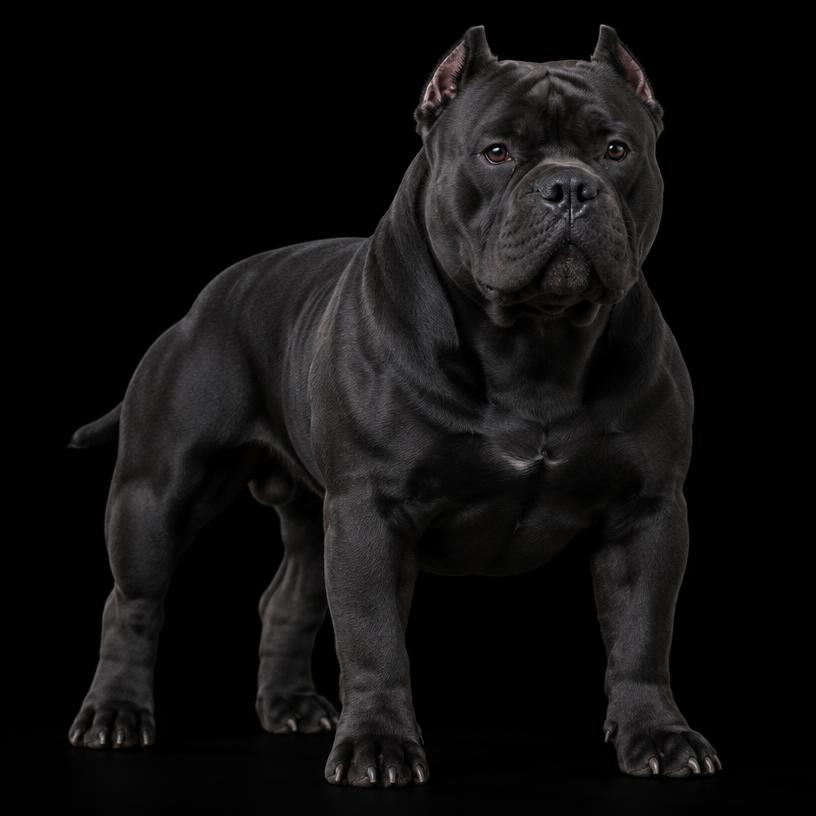
Black
Eumelanin pigment. Dominant black KB or recessive black a/a can produce a black coat; E and dilution still matter.
GOLDGAMEBULLY · Genetics Lab
Eumelanin pigment. Dominant black KB or recessive black a/a can produce a black coat; E and dilution still matter.
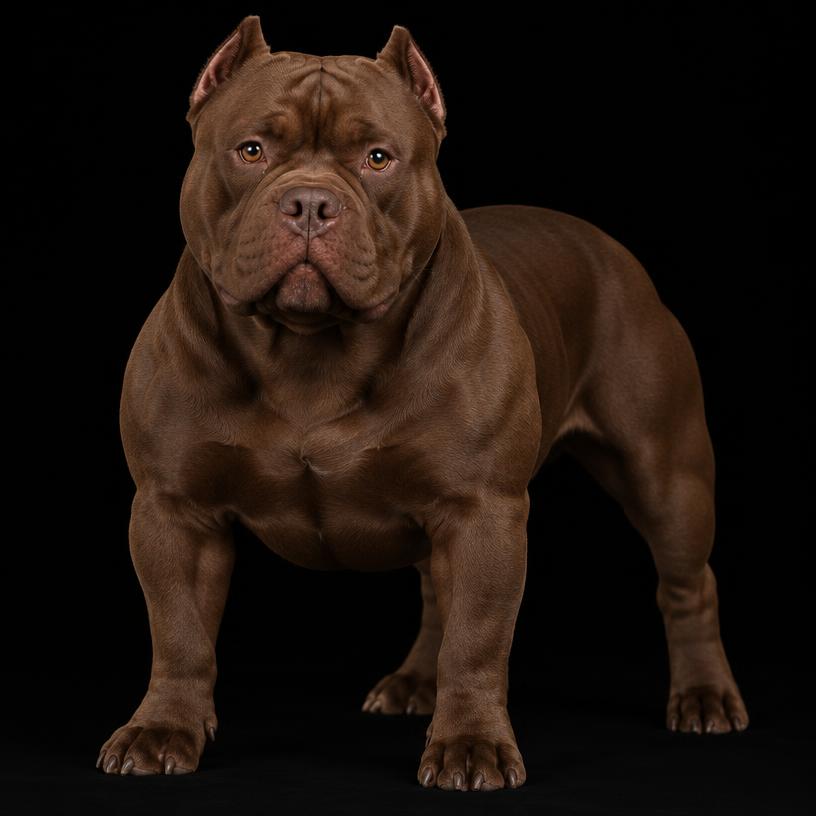
Confirmed recessive brown variants b/b change eumelanin to brown. A red coat can hide the effect, while nose pigment may reveal it.
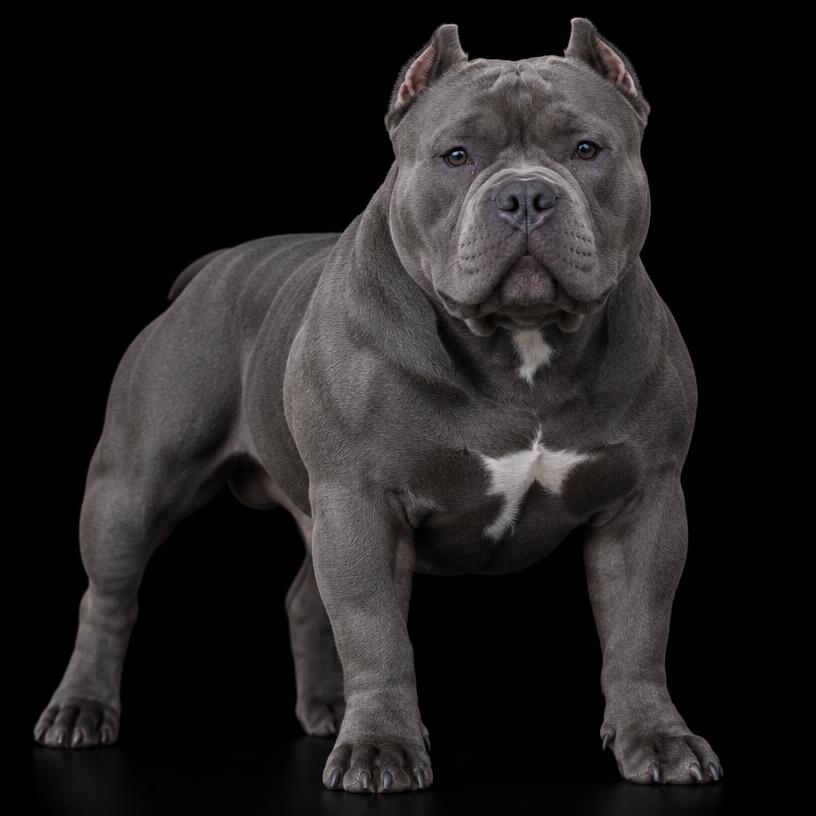
Recessive dilution d/d changes black eumelanin to blue. It does not define the dog's ASIP pattern.
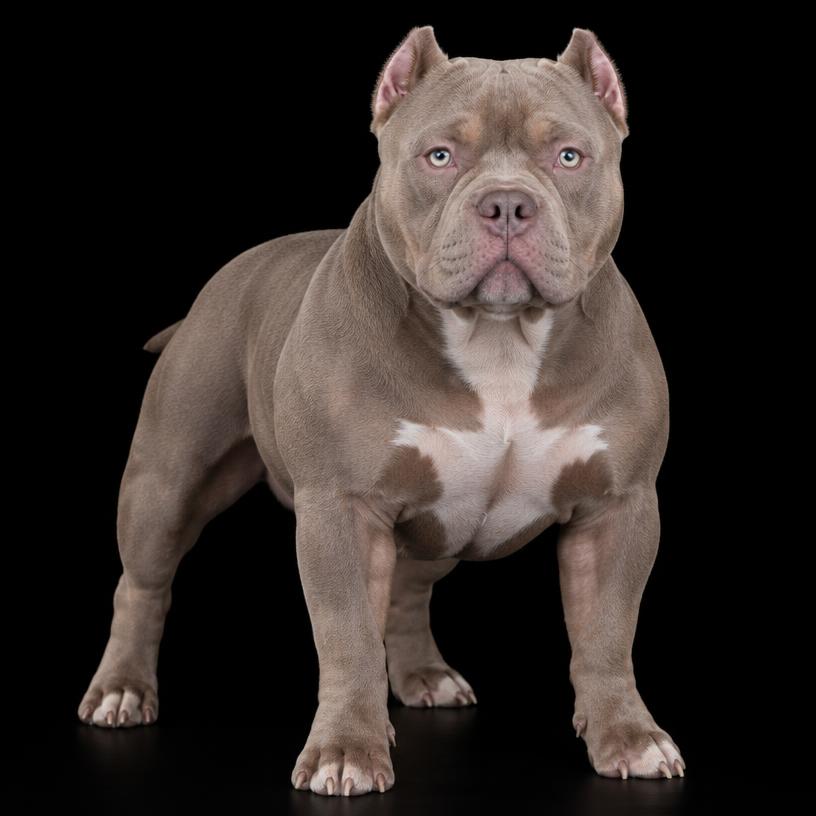
Brown plus dilution (b/b and d/d) changes eumelanin to a diluted brown. Commercial color names vary.
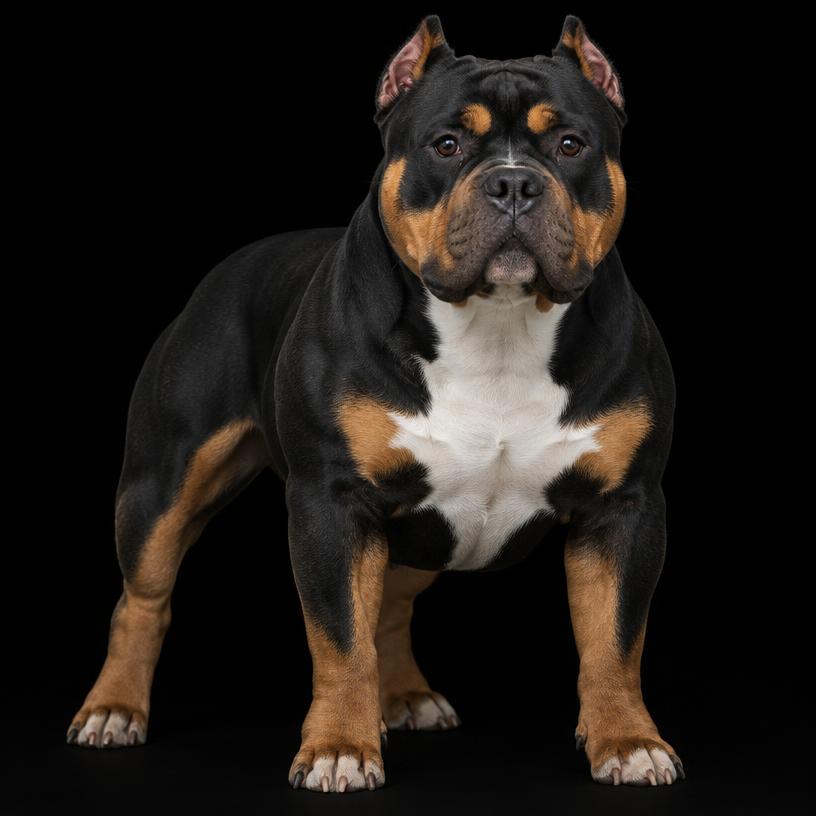
ASIP tan-point patterns are expressed when E and K permit them. “Tri” also involves white markings; it is not a single genotype.
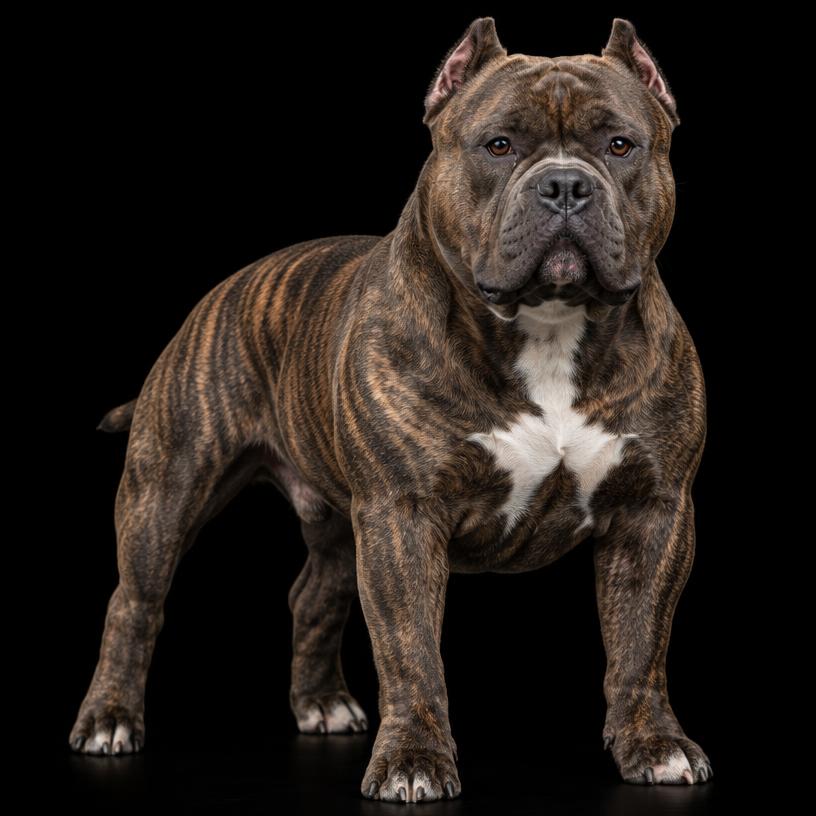
kbr can create dark stripes in red-pigment areas. KB and recessive red may conceal the pattern.
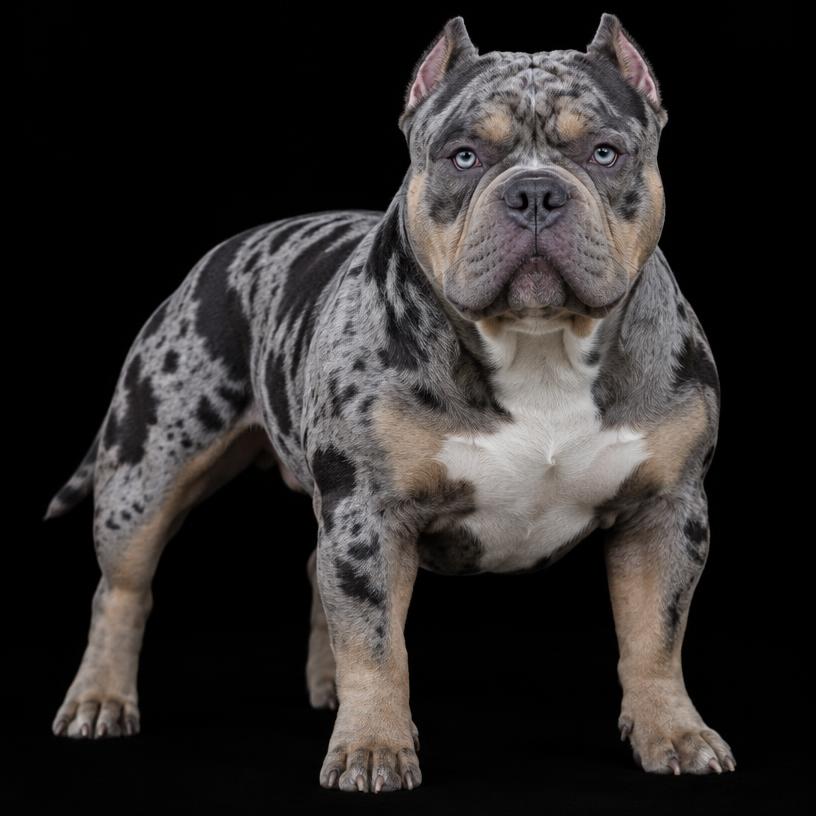
PMEL alleles affect eumelanin. Length, mosaicism and hidden pigment matter; visual appearance cannot safely establish merle genotype.
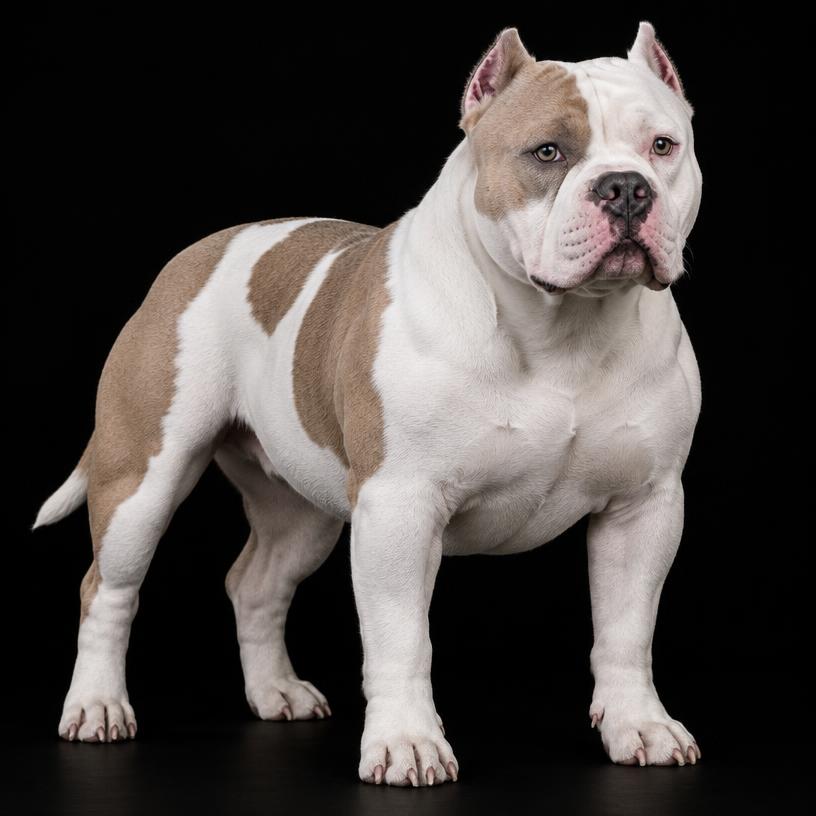
MITF-associated piebald alleles influence white. The exact extent of white cannot be inferred from a simple S/sp genotype.
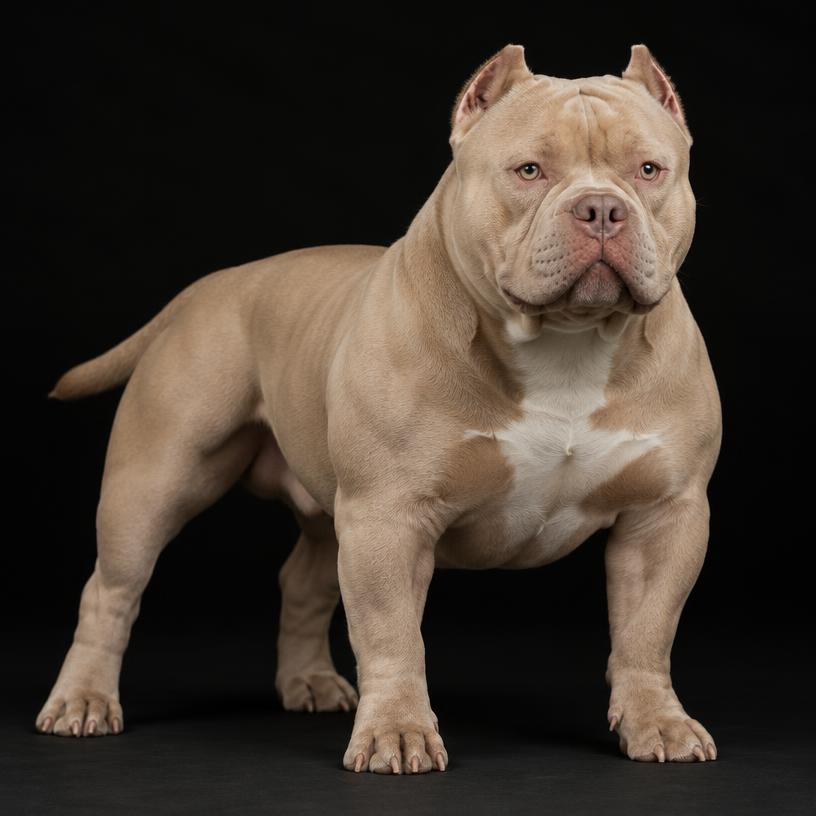
A dilute shade of red/fawn phaeomelanin, often combined with dilution d/d. Commercial names vary; only DNA separates look-alikes.
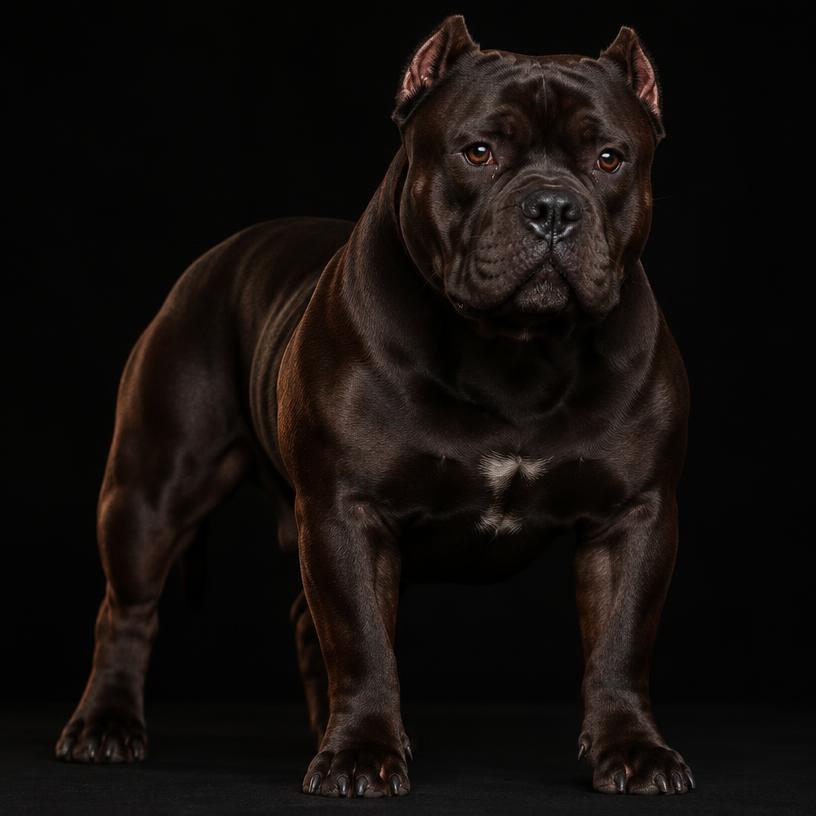
A very dark coat that can look black but shows brown tones in bright light. It is not a single confirmed genotype — visual guessing is unreliable.
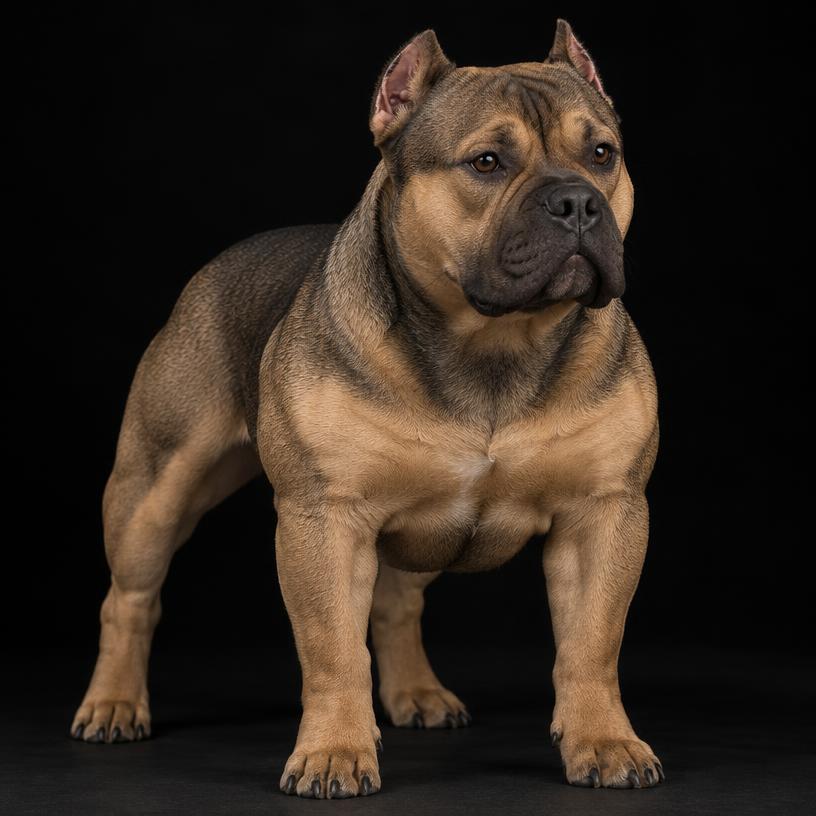
Red-based hairs with darker tips, produced by ASIP patterns when E and K allow them. The shading varies with age and genotype.
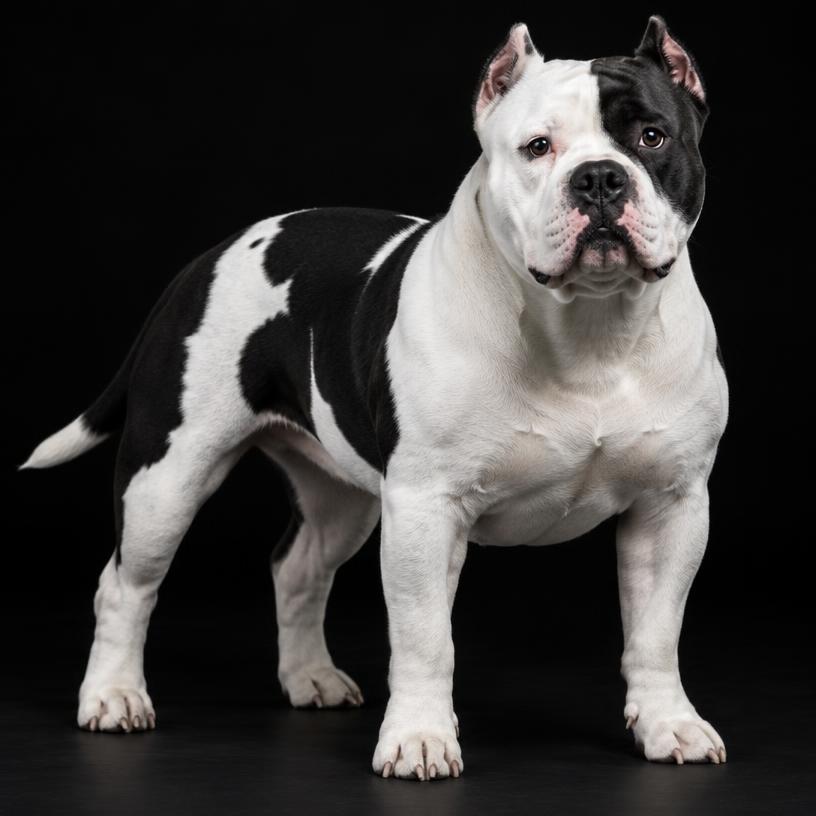
Large white areas with coloured patches, linked to MITF white spotting. Inheritance is calculable; the coverage of white is not.
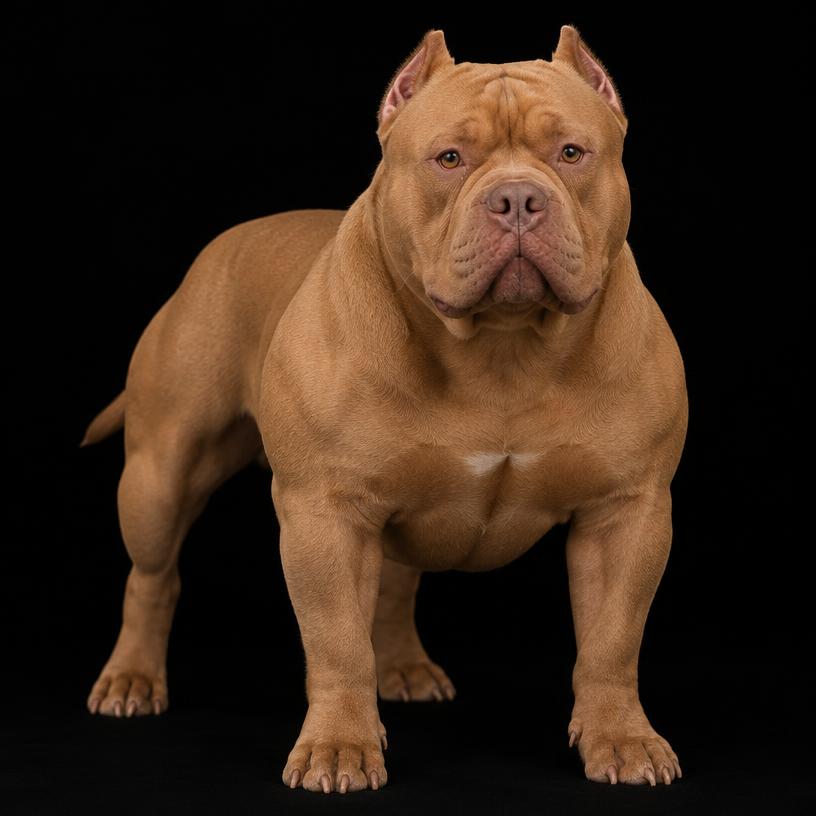
Red/fawn pigment shows where ASIP or recessive red e/e allows phaeomelanin. Shade varies; DNA decides.